2nd Patient Empowerment World Congress 2026 Europe

Part of the Patient Centricity & Collaboration Series

“Connecting Patients, Clinicians, Industry and Policymakers to Transform Healthcare Through Partnership, Innovation and Empowerment.”

  • 00Days
  • 00Hours
  • 00Minutes
  • 00Seconds

Patient meets Innovation & Collaboration

Patient empowerment and understanding to inspire and create a meaningful impact.

FACILITATE LIVE is very pleased to welcome you to our upcoming 2nd PATIENT EMPOWERMENT World Congress 2026 Europe. The congress focuses on “Connecting Patients, Clinicians, Industry and Policymakers to Transform Healthcare Through Partnership, Innovation and Empowerment.”

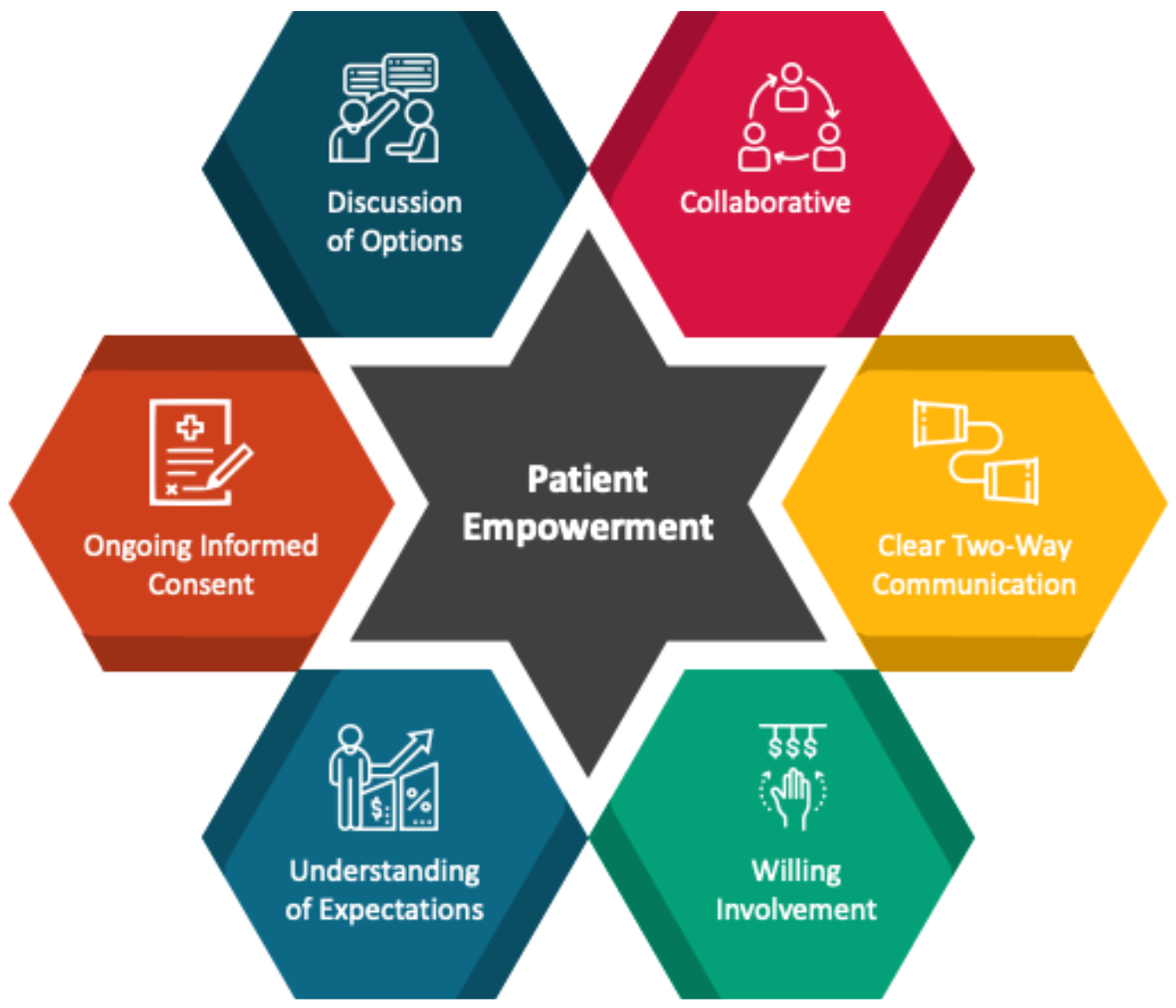
Patient empowerment refers to enabling individuals to gain the knowledge, skills, confidence, and authority to actively participate in decisions about their health and healthcare. Rather than being passive recipients of care, empowered patients become informed partners who collaborate with healthcare professionals to manage their conditions, make treatment decisions, and improve their overall well-being.

Traditionally, healthcare systems followed a paternalistic model in which clinicians made most decisions for patients. Today, however, there is growing recognition that patients who understand their health conditions and engage in their care are more likely to achieve better outcomes. Patient empowerment, therefore, shifts healthcare toward shared decision-making, transparency, and respect for patient preferences, values, and lived experiences. A fundamental aspect of patient empowerment is access to clear and reliable information. Patients need understandable guidance about their diagnoses, treatment options, potential risks, and expected outcomes. Health literacy plays a crucial role in enabling individuals to interpret this information and navigate complex healthcare systems. When patients are well informed, they can make better decisions and participate more confidently in discussions about their care.

Involving patients in treatment decisions and ensuring they understand their care plans significantly improves adherence to prescribed medications and therapies. By combining shared decision-making with comprehensive patient education, individuals can choose treatments that align with their needs and lifestyles. This collaborative approach leads to improved health outcomes, quicker recovery, reduced anxiety, and a greater likelihood that patients will adopt healthier lifestyles and actively monitor their conditions.

Patient empowerment is particularly important for people living with chronic diseases, where self management plays a key role. Empowered patients are more likely to monitor symptoms, manage medications effectively, and take preventive actions to maintain their health. Healthcare providers support this process through education, coaching, and digital tools that help patients track and manage their well-being.

When patients feel heard and respected, it strengthens their relationship with healthcare providers and encourages open communication and trust. This engagement is also essential for the pharmaceutical and life sciences industries. Patient insights help identify unmet needs, improve the design of clinical trials, and guide the development of therapies and support programs that better reflect real patient experiences. Patients who are actively involved in research are also more likely to participate in clinical studies and remain engaged throughout
the process.

Patient empowerment also supports ethical principles by respecting patient autonomy and enabling individuals to make informed decisions about their health. By ensuring that all patients have access to information, resources, and support, empowerment can also help address health disparities and promote greater health equity.

The two-day Congress will bring together stakeholders across healthcare, pharmaceuticals, patient advocacy, research, and policy, as well as patients and caregivers themselves. It will explore the growing importance of patient empowerment and its implications for both patients and the life sciences industry, with the goal of fostering meaningful dialogue, collaboration, and more patient-centered healthcare systems.

We look forward to meeting you at the Congress!

Sincerely yours,

Jocelyn Raguindin
Conference Director
Facilitate Live 

GAIN LATEST INSIGHTS ON:

By the end of this two-day congress, participants will be able to:

  • Explain the principles of patient empowerment and patient-centred care and their impact on improving health outcomes, patient satisfaction, and healthcare system efficiency.
  • Apply strategies to improve health literacy and patient education, enabling patients to better understand their conditions, treatment options, and care pathways.
  • Integrate shared decision-making approaches into clinical and care practices to ensure treatment plans align with patient values, preferences, and lifestyles.
  • Identify effective methods to support patient self- management, particularly for individuals living with chronic diseases, through education, digital tools, and care coordination.
  • Assess how patient insights and lived experiences can inform healthcare service design, improving care pathways and overall patient experience.
  • Evaluate the role of patient advocacy groups and community organisations in advancing patient engagement, policy influence, and healthcare innovation.
  • Examine strategies for incorporating patient perspectives into clinical trial design and drug development, improving recruitment, retention, and research relevance.
  • Explore the use of real-world evidence and patient- reported outcomes to better understand treatment effectiveness and inform healthcare decision-making.
  • Analyse how digital health technologies—such as telehealth, wearables, and patient portals—can empower patients to manage their health and improve access to care.
  • Recognise opportunities for the pharmaceutical and life sciences industries to build meaningful partnerships with patients, enhancing trust, transparency, and collaboration.
  • Identify best practices for developing patient support programmes that improve medication adherence, disease management, and quality of life.
  • Assess approaches for addressing health inequalities and improving access to care, ensuring patient empowerment strategies are inclusive and equitable.
  • Develop cross-sector collaboration strategies among healthcare providers, industry, researchers, policymakers, and patient organisations to advance sustainable patient-centred healthcare systems.

WHO SHOULD ATTEND?

This Congress is beneficial to patients, pharmaceutical, biotech companies, researchers, physicians, patient advocacy groups, regulatory agencies, technology, and healthcare companies.

Network with Presidents, Heads/Chiefs, VPs, Directors, and Managers in the area of:

  • 00Days
  • 00Hours
  • 00Minutes
  • 00Seconds

Key Industry Expert Speakers 2026

Smita Robinson

Head PIQU

MHRA

Janet Messer

Director of Health Data & Digital Policy

ABPI

LARA BLOOM*

President and CEO

The Ehlers-Danlos Society

Stephen O’Farrell

Executive Director, Patient Engagement

Spectrum Science

VICTORIA HAYES

Director Public Affairs, Northern Cluster

Kyowa Kirin

Richard Cassidy

SVP – Rx+ Business Accelerator

Astellas Pharma

Gunnar Schroefel

Senior Director and Head of Oncology Patient Advocacy

Daiichi Sankyo Europe & Canada

Rebecca Lisle

Head of Patient Advocacy EU/INT

Jazz Pharmaceuticals

Frida Forya

Senior Quality Solutions Lead

Roche

Delphine Nicolas

Head Of Global Patient Affairs - Oncology

Servier

Gabor Purman

Patient Advocacy Director

Kyowa Kirin

Ron Hillel

Assoc. Director, Representation in Clinical Research, Global Patient Engagement

Novartis

Liz Gill

CEO

The British Porphyria Association

Dave Chuter

Chair

Independent Cancer Patients' Voice (ICPV)

Anjana Pindoria

Kidney Tx Patient, Founder

I am Patient

Hannah Humphrey

Mum of a Child with 22q11 Deletion & TANGO2

Lived Experience Expert

Steve Clark

Founder and Patient Advocate

Strive for Five

Joana Pina

Patient Advocate, President

CBP Portugal

Marta Lago

Programme Co-lead

The Care Lab

Karen Rockell

Patient Co‑Director/PPIE Lead

UKODTRN

Cornelia Reyes Acosta

Research Associate in Digital Health

King's College London

ROBERT MITCHELL-THAIN

CEO

PBC Foundation

Lisbeth Snede

President

PiCC United

Dan Farrow

Head of Community Engagement

Breakthrough T1D

Carl Lander

Director of Research, PKDIA, Co-Chair

Metabolic Support UK

CAROLE SCRAFTON

Director & Co-Founder

Flutters and Strutters

Caroline Olshewsky

Chief Executive

Lupus UK

Sue Burrell

President

Global Porphyria Advocacy Coalition

Cat Wilder

Chair

VWD Alliance

Sailaja Maganti

Founder

Prurigo Nodularis International Charity

Rasmus Hjorth

Patient Engagement Director

James Lind Care

Tiberius Pereira

Co-founder

Patient Safety Ireland (PFPSI)

Caleb Meath

Innovation and Research Policy Manager

ABPI

Sneha Mojumdar

Projects and Partnerships Manager

Egality Health

Alidor Gaspar

Patient advocate

Artist

Dr Lucy McKay

Chief Executive Officer

Medics for Rare Disease

DR LIZ CLARKE

Visiting Lecturer and Patient Engagement Theme Lead

Centre for Pharmaceutical Medicines Research, Kings College London

Anthony Cunliffe

National Lead Medical Adviser

Macmillan Cancer Support

Richie Castles

Senior Director, Global Patient Engagement,

GSK

Senior Representative

Available Shortly

Advocacy Group

Sally-Anne Dews

Health Equity Publications Specialist, Chief Medical Affairs Office

Pfizer

Natasha Ratcliffe

Principal, Patient Engagement

LifeArc

Cristian Perez Gomez

Director of International Patient Affairs

Blueprint Medicines

Jose Diaz

Global HEOR - Health Systems Economics & Value of Innovation Lead

Bristol Myers Squibb

Schedule

Content Rich Program Agenda!  Featuring Keynote Presentations, Stream Sessions, Panel, and Round Table Discussions.

BUILDING THE FOUNDATION OF PATIENT EMPOWERMENT

  • Shift in Healthcare Systems: Examining the transition from provider-centric to patient-centered models.
  • Patients as Partners: The evolving role of patients in care, research, and innovation.
  • Stakeholder Collaboration: Building trust, transparency, and shared accountability.
  • Empowerment Drivers: The impact of digital health, policy, and education on patient empowerment.

Moderator:

Panelists:

Dan Farrow, Head of Community Engagement, Breakthrough T1D

Sailaja Maganti, Founder, Prurigo Nodularis International Charity

  • What’s the benefit of using health data for research?
  • How can the pharmaceutical industry and patients work together to give people access to clear and reliable information about use of health data?
  • What safeguards matter to patients?

Janet Messer, Director of Health Data and Digital Policy, ABPI
Caleb Meath, Innovation and Research Policy Manager, ABPI

  • Benchmarking report on quantifying what is unquantifiable – patient centricity

  • Sharing best practices of patient empowerment and engagement across pharma
  • How digital channels, platforms impact shared decision making and ultimately improve lived experiences?

Gabor Purman, Patient Advocacy Director, Kyowa Kirin

  • Analyzing how generative AI enhances patient education and decision-making.
  • Comparing the accuracy and safety of AI health information against traditional resources.
  • Researching patient trust and the use of AI health assistants in routine care.
  • Establishing frameworks for transparency, bias, privacy, and regulatory oversight.

RESERVED

  • Designing programmes around patient needs: Ensuring that the patient experience is at the heart of every initiative.
  • Measuring engagement and outcomes: Implementing robust frameworks to track the effectiveness and reach of your support services.
  • Partnerships with healthcare providers: Strengthening collaborations to ensure seamless integration and improved patient care.

  • Impact of patient involvement on trial design, recruitment, retention, and participant experience.
  • Best practices for incorporating patient perspectives into endpoint selection and study protocols.
  • How co-designed trials improve the relevance and applicability of research findings to real-world patient needs.
  • Develop standardized frameworks for measuring the value and effectiveness of patient engagement throughout the clinical research lifecycle.
  • Mapping the patient journey: Evaluating the process from initial diagnosis through to long-term care.
  • Identifying unmet needs: Pinpointing specific requirements that are currently not being addressed.
  • Integrating multidisciplinary teams: Coordinating various care teams to ensure a cohesive approach.
  • Redesigning services: Utilizing patient insights to improve and restructure service delivery.

Rebecca Lisle, Head of Patient Advocacy EU/INT, Jazz Pharmaceuticals

PATIENT VOICE IN HEALTHCARE DESIGN & INNOVATIONS

Gunnar Schroefel, Sr Director & Head of Oncology Patient Advocacy, Daiichi Sankyo Europe & Canada

  • The Journey of a Child who was not supposed to be alive long enough to thrive in society
  • The moment that changed my life forever
  • Creating a movement for patients to gain confidence

Anjana Pindoria, Founder, I am Patient

  • Reducing patient burden within clinical trials.
  • Implementing remote and decentralized trial models.
  • Strategies for improving patient recruitment and retention.
  • Strengthening collaboration with patient advocacy groups.
  • Moving beyond “tick-box” patient engagement to meaningful partnerships
  • Translating patient insights into actionable changes in clinical practice and trials
  • Common gaps between patient input and implementation – and how to close them
  • The role of patient organisations and structured engagement models
  • Building sustainable cross-sector collaboration between patients, industry, and healthcare systems
  • Measuring the impact of patient involvement in real- world settings

Lisbeth Snede, President, PiCC United

3:20 pm - AFTERNOON NETWORKING REFRESHMENTS

  • From insight to action: closing the gap
  • Barriers to true patient partnership in pharma
  • Embedding patients across the full lifecycle (R&D to support)
  • Co-creation in practice: from touchpoints to continuity
  • Trust and transparency as enablers of collaboration
  • Measuring impact: from activity to patient value

Joana Pina, Patient Advocate, President, CBP Portugal

  • Advocating for yourself or others is always a hard to navigate
  • Having strong, peer reviewed evidence available during consultations greatly assists the discussion, leading to a shared care plan.
  • Care that feels as if each party is equal is more effective and allows the individual to feel in control.

Carl Lander, Research Director, Pyruvate Kinase Deficiency International Alliance

  • Tabby’s story as a lens: A journey through two rare diagnoses that reveals how the system is not built for rare conditions.
  • Where inequity shows up: Delays, missed opportunities, and fragmented care that create unequal experiences for rare disease families.
  • The burden on families: How parents become coordinators and advocates, often carrying the system when it doesn’t work.
  • Privilege and persistence: Recognising that being able to keep going back and push for answers is a privilege— not all families can, and that deepens inequity.
  • From inequity to change: What needs to improve— earlier recognition, joined-up care, equitable access, and truly listening to lived experience.

Hannah Humphrey, Mum of a Child with 22q11 Deletion & TANGO2, Lived Experience Expert

DIGITAL HEALTH & TECHNOLOGY ENABLING PATIENT EMPOWERMENT

  • Creating a safe environment tailored to the unique challenges of a light sensitive condition (erythropoietic protoporphyria – EPP)
  • Reducing isolation by connecting peers with shared lived experience
  • Building confidence and resilience through practical disease management strategies
  • Enabling experience of the positive physical and emotional benefits of being outdoors in nature

Liz Gill, CEO, The British Porphyria Association

  • Strategies to reach broader patient populations and reduce barriers to entry.
  • Integrating virtual and in-person services to create a seamless, cohesive patient journey.
  • Improving the quality and engagement levels of remote interactions.
  • Addressing the digital divide to ensure equitable access for all patients
  • Exploring how lived experience reveals unmet needs, challenges long held assumptions, and drives meaningful transformation in diagnosis, management,
    and support for VWD patients and their families.
  • How co‐created solutions, from shared decision making tools to redesigned care pathways, can improve outcomes and enhance quality of life.
  • It will also explore how patient involvement can address inequities, particularly for women and people with mild or variable symptoms whose experiences are frequently overlooked

Cat Wilder, Chair, VWD Alliance

3:20 pm - AFTERNOON NETWORKING REFRESHMENTS

  • Why I’m here
  • Our role as Patient Advocates within research as a partner
  • The Role of Patient Organisations

Dave Chuter, Chair, ICPV

  • The Engagement Gap: When Evidence Isn’t Understandable
  • Plain Language Summaries as a Strategic Engagement Tool
  • Building Trust through Transparency and Accessibility
  • Tackling Health Inequalities and Digital Exclusion
  • Enhancing Research Impact and Real-World Adoption

Karen Rockell, Director, UKODTRN 

  • Why communication gaps persist despite advances in medicine and patient-centred care
  • The “invisible layer” of consultations: what patients hold back and why
  • Power, time, and structure: systemic barriers to meaningful dialogue
  • Real-world patient and clinician perspectives from ongoing research
  • The impact of missed dialogue on trust, adherence, and outcomes
  • Moving beyond “engagement”: practical ways to enable better conversations across healthcare systems
  • What patient advocates, clinicians, and industry can do differently

Cornelia Reyes Acosta, Research Associate in Digital Health, King’s College London 

  • Impact & proof: Where have patient organisations demonstrably changed a policy position, pathway, or decision— what did “impact” look like, and how was it evidenced?
  • Health & Wealth: How to engage patients in industrial and economics policy debates that impact their health?
  • HTA & technical barriers: HTA is often a “technical nightmare” for patient communities—what would it take to make patient experience a first-class input to evidence generation and assessment?
  • Closing the loop: What does a credible “feedback loop” look like—how should institutions and industry show patients exactly what changed (or didn’t) because of their input?
  • Definition of success: If we reconvened in 12 months, what specific changes would prove we’ve moved from “input” to “impact”—fewer delays, less postcode variation, clearer decisions, better equity?

Moderator:

Victoria Hayes, Director, Public Affairs, Kyowa Kirin

Panellist:

6:15 - 7:15 pm - NETWORKING DRINK RECEPTION

  Robert Mitchell-Thain, Chief Executive Officer, PBC Foundation

Frida Forya, Senior Quality Solutions Leader – PDQ, Roche

HEALTH EQUITY, ACCESS & PATIENT ADVOCACY

  • Examining the structures necessary to support and mandate patient involvement.
  • Strategies for implementing and expanding these models across diverse healthcare systems.
  • Exploring the vital role of partnerships between different stakeholders in the healthcare ecosystem.
  • Ensuring that patient engagement initiatives are accessible and representative of all populations.

Moderator:

Panelists:

Lara Bloom, President and CEO, The Ehlers-Danlos Society

Caroline Olshewsky, Chief Executive, Lupus UK

Ron Hillel, Assoc. Director, Representation in Clinical Research, Global Patient Engagement, Novartis

  • Patient information leaflets (PILs) have long been a cornerstone of safe medicine use, yet their impact is increasingly limited in a digital-first world where patients turn to online and social sources for guidance. This presentation will share how the MHRA is working collaboratively with patients, healthcare professionals, charities, and industry to co
    design a user-centred approach to medicine information.
  • Attendees will gain insight into emerging policy thinking in the UK and internationally, and how technological innovation aligned with patient voices, can support safer use of medicines, more informed decision-making and achieve greater accessibility.

Smita Robinson, Head, Product Information Quality Unit, MHRA

  • Vision
  • Underlying principle
  • Aim
  • Test

Tiberius Pereira, Co-founder, Patient Safety Ireland (PFPSI)

  • Assess whether decentralized trial models improve recruitment among geographically diverse and underrepresented populations.
  • Evaluate participant satisfaction, convenience, and retention in remote and hybrid clinical trial settings.
  • Investigate the quality, reliability, and regulatory acceptability of remotely collected clinical data.
  • Identify operational, technological, and ethical challenges associated with decentralized trial implementation.

RESERVED

  • Integrating patient insights into every stage of the medicine lifecycle, from discovery to post-market support
  • Designing clinical trials that reduce patient burden and improve recruitment, diversity, and retention
  • Using patient-reported outcomes and real-world evidence to demonstrate value and improve therapies
  • Building transparent partnerships between pharmaceutical companies, clinicians, and patient organisations

RESERVED

  • This session looks at what it really means to do patient engagement differently in ways that reach communities who are too often left out of health research.
  • We will share practical, creative and culturally grounded approaches to gathering genuine insights, sharing outreach, and building trust with underrepresented communities and why these matters for making clinical trials and health research more inclusive and effective.

Sneha Mojumdar, Projects and Partnerships Manager, Egality Health
Alidor Gaspar, Patient advocate, Artist

  • Integrating patient insights from the initial discovery phase through to post-market engagement.
  • Strengthening partnerships with patient advocacy groups to better align goals.
  • Improving communication channels to ensure greater transparency for all stakeholders.
  • Developing sustainable strategies to provide ongoing support for patients.

Marta Lago, Programme Co-lead, Healthcare Systems Transformation, The Care Lab

PHARMA & LIFE SCIENCE DRIVING PATIENT-CENTRIC INNOVATION

  • Establishing clear channels of information to foster long-term patient relationships.
  • Implementing robust standards for compliant and patient-centric interaction.
  • Developing proactive strategies to counteract inaccurate health information.
  • Clearly articulating the tangible benefits of pharmaceutical innovation and care.

Steve Clark, Founder and Patient Advocate, Strive for Five

  • Patient empowerment often fails because healthcare still measures only a fraction of what drives real-world outcomes
  • Digital health can make the “invisible” visible by capturing behaviour, context, and early signals between visits
  • What needs to change for empowerment to translate into better access and outcomes at scale?

Richard Cassidy, SVP – Rx+ Business Accelerator, Astellas Pharma

  • Patient empowerment often fails because healthcare still measures only a fraction of what drives real-world outcomes
  • Digital health can make the “invisible” visible by capturing behaviour, context, and early signals between visits
  • What needs to change for empowerment to translate into better access and outcomes at scale?

Richard Cassidy, SVP – Rx+ Business Accelerator, Astellas Pharma

  • Opportunities for Servier to build meaningful partnerships with patients through a patient-centric operating model, including Global Patient Advisory Councils
  • How patient insights and lived experiences can inform Servier’s strategic plans

Delphine Nicolas, Head Of Global Patient Affairs – Oncology, Servier

Bullet points to follow

Jose Diaz, Global HEOR – Health Systems Economics & Value of Innovation Lead, Bristol Myers Squibb

  • Understand how to leverage digital tools and clinical data platforms to improve workflows, maximize trial efficiencies, and enhance outcomes.
  • Discover strategies to align public and private efforts to fund sustainable innovation ecosystems and market access.
  • Acquire techniques for developing user-centric portals and wearable integrations for direct health management and true centricity.
  • Master the ability to establish shared accountability frameworks and metrics (PROMs/PREMs) to track systemic progress and demonstrate therapeutic value

Moderator:


Panelists:

Event Partners

Sponsors & Exhibitors - 2nd Patient Empowerment World Congress 2026 Europe

Gold Sponsor

Bronze Sponsor

Newsletter Sign Up

No Spam – You will only receive relevant information on Patient Centricity & Collaboration, and event updates

Testimonials

what people say

Thank you for a good experience with the PARADIGM Global Events… very high level, very good Organization, we overpassed our expectatives, we will be pending for another congress related to pharmaceutical and biotech… we learned a lot, and i think that the content of agenda was state of the art, thank you again.
Salvador Berrios
ERP/ CRM / Product Configurator Manager
The consistently high quality of international faculty was most impressive. It was also obvious that they were carefully chosen not only for their particular expertise but also for their ability to communicate the subject matter to clinical and non-clinical participants alike. As market access consultant for pharma clients of various sizes, I now feel much better prepared to explain the nuances & dynamics involved in bringing their products to market. In addition, I am in a much better position to intelligently advice my clients & help them set realistic expectations
Thomas Martin
Associate Vice President, VCGA - Quintiles
I was impressed with the organization of this event. I attend many conferences per year and find the organizers on site to be detached and not focus on good service to the delegates. This team was even providing weather forecast warning to ensure everyone was aware and made appropriate plans. Well Done.
Adriana E. Manzi
PhD, Managing Director, Atheln, Inc

Previous events

Book Your Place Now! 

Register To Attend Now!

ake Advantage of the Super Early Bird Discount. Group Discounts Also Available. 

Location

Scroll to Top